
Compact Single-Frequency Fiber Laser
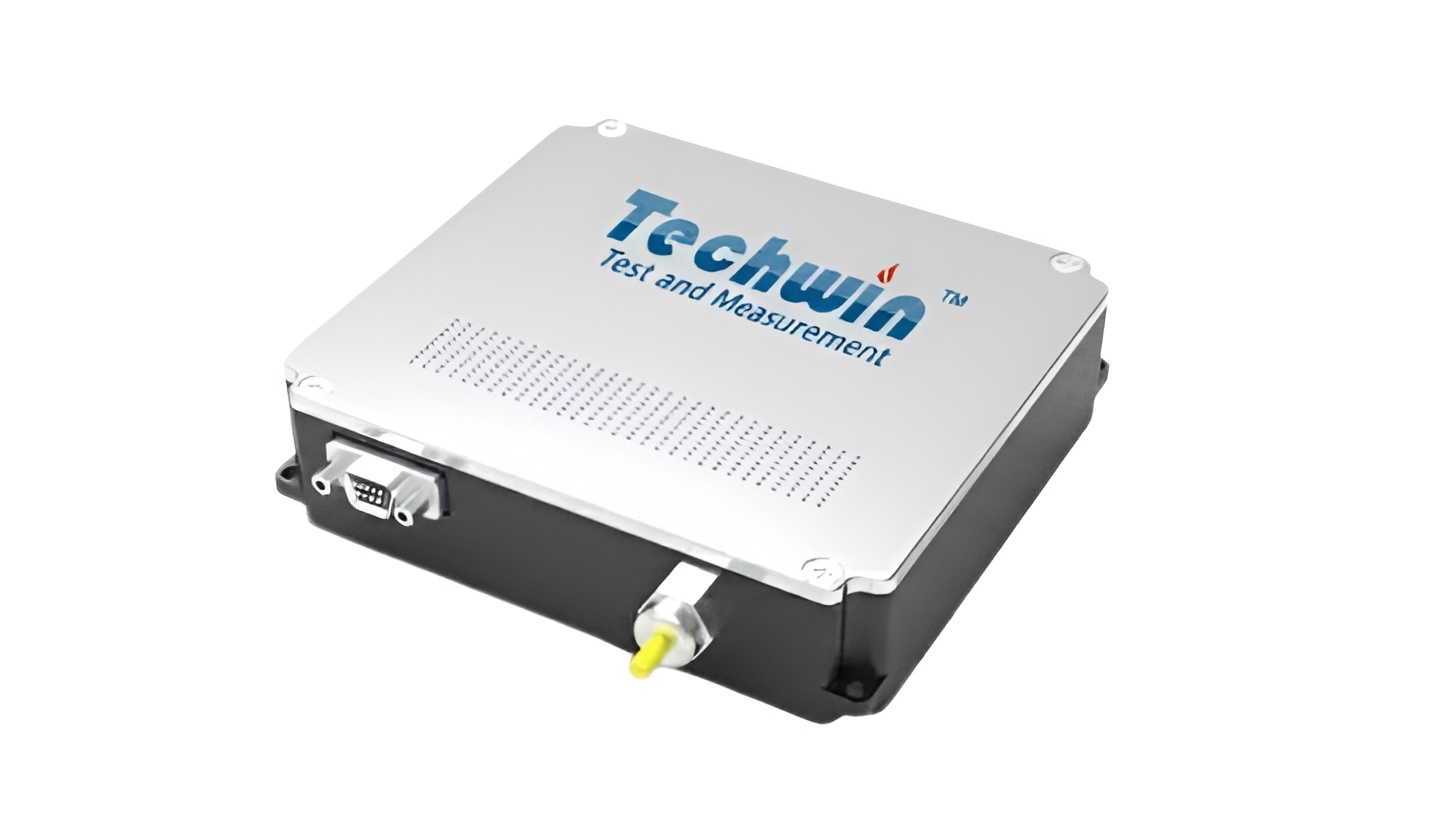
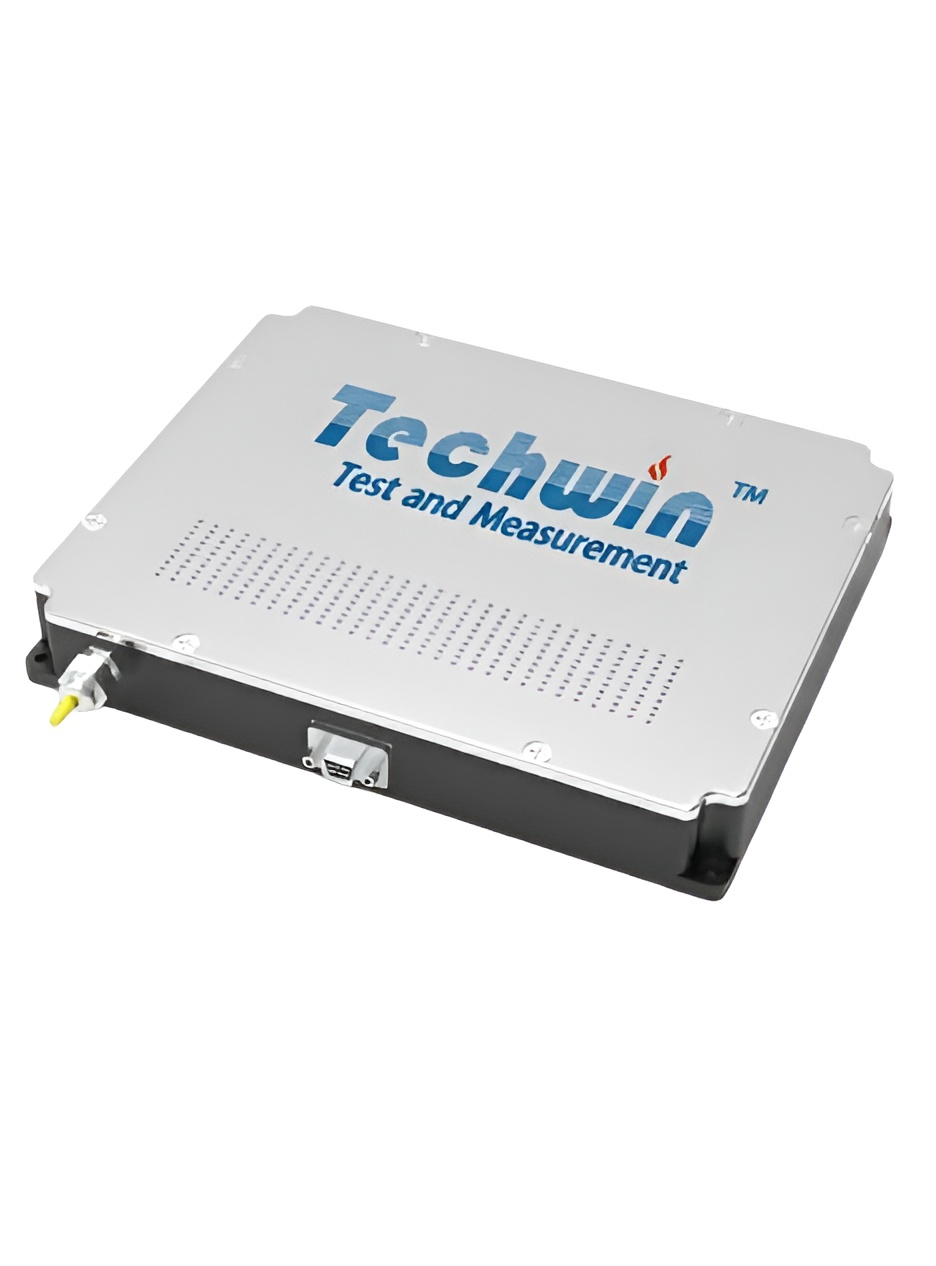
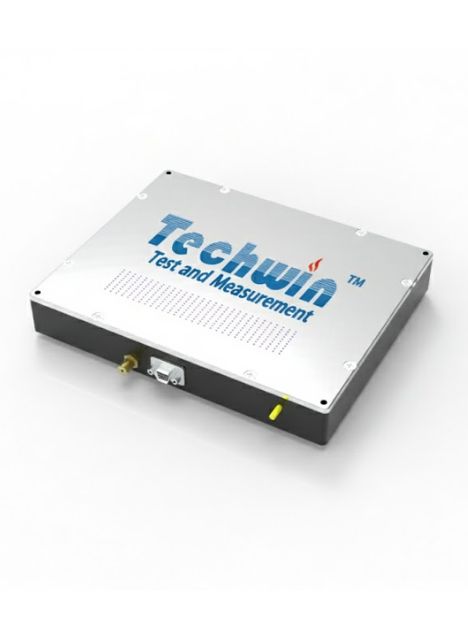
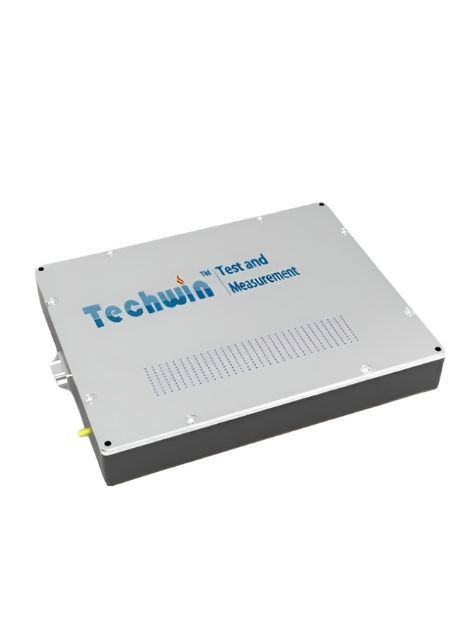
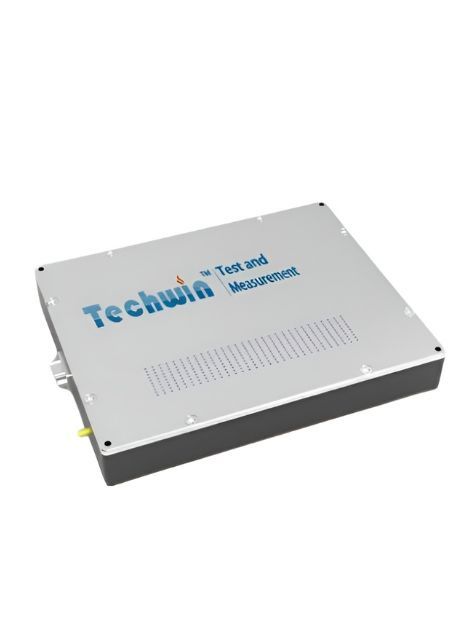
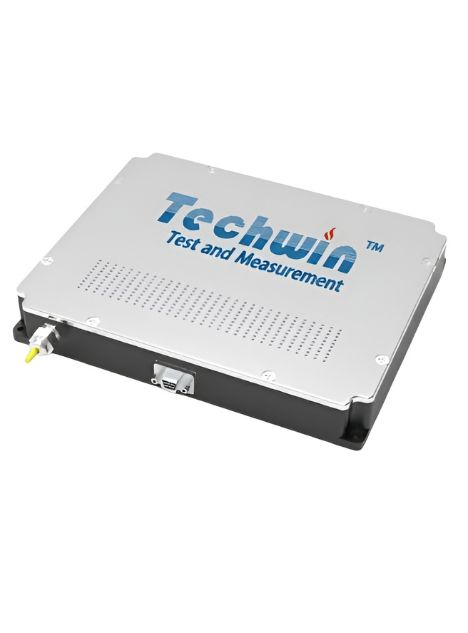
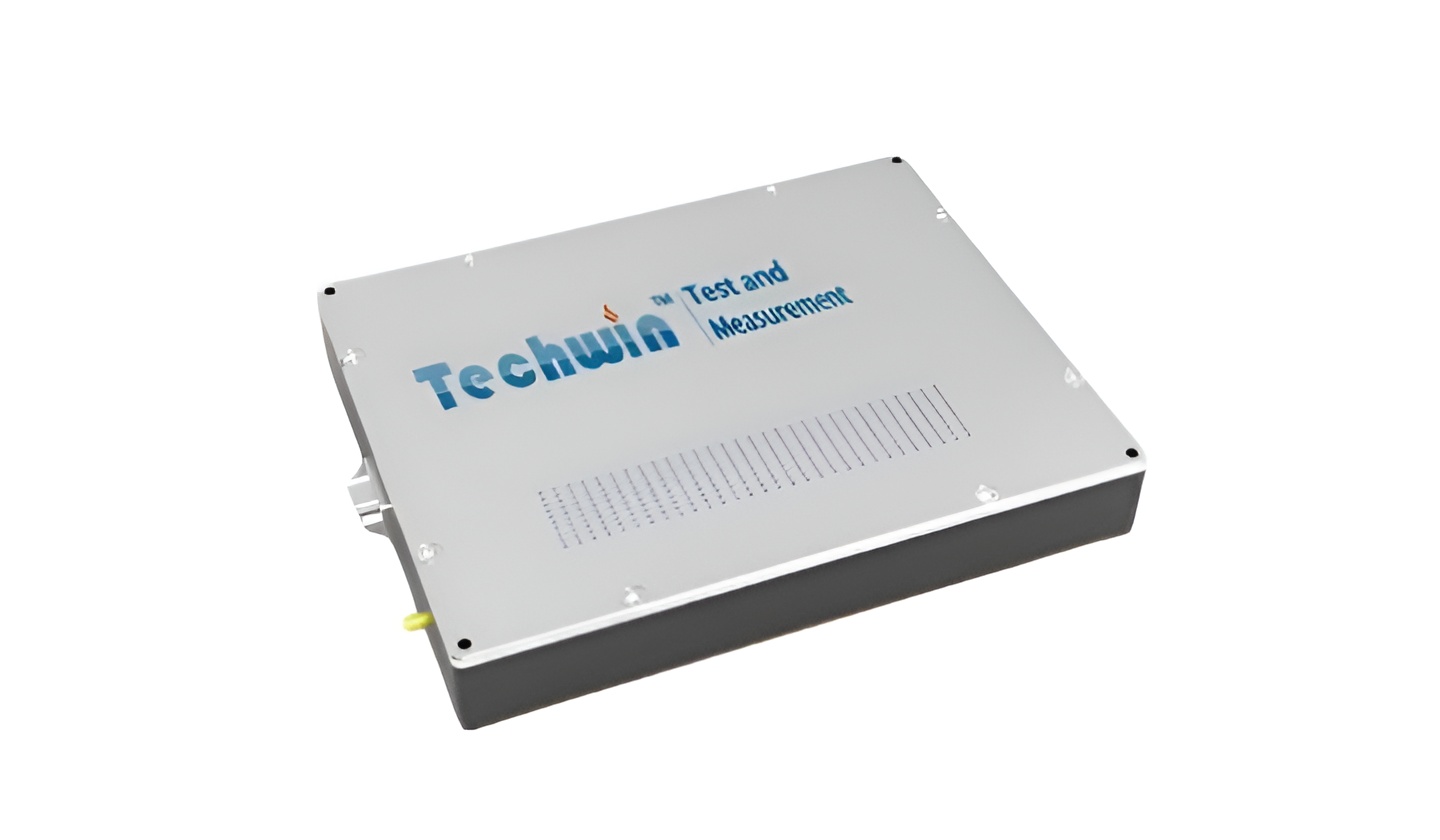
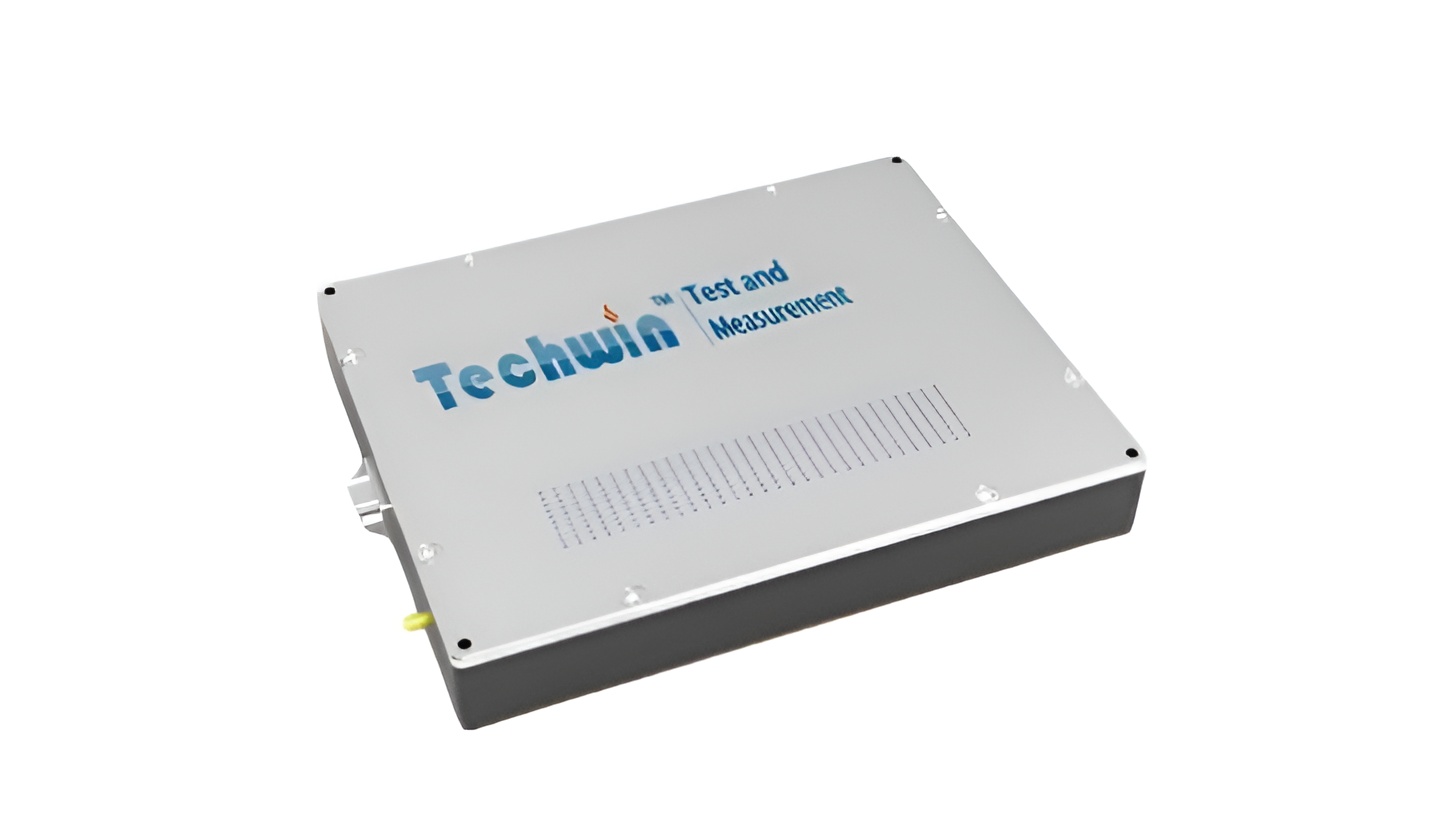
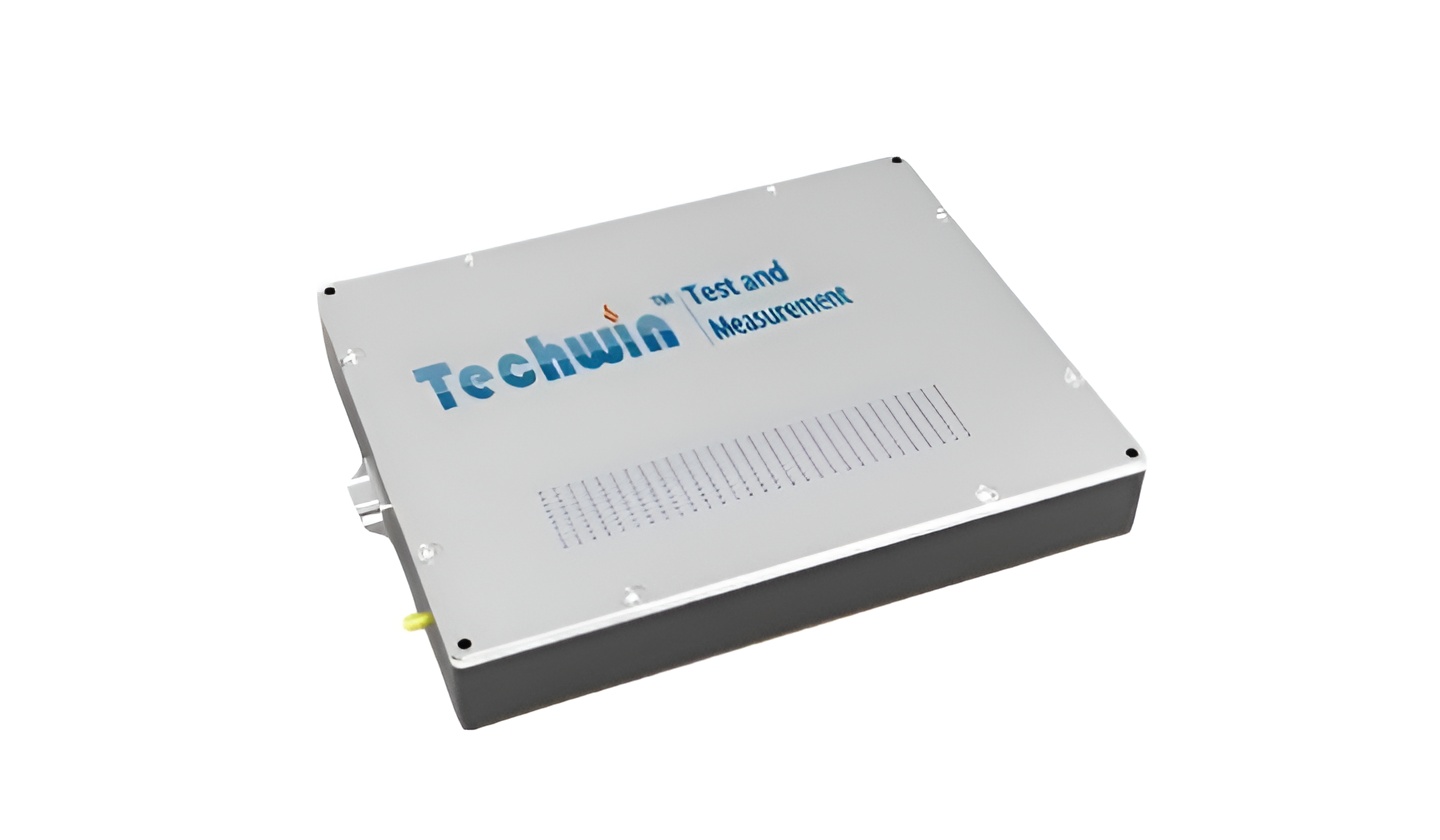
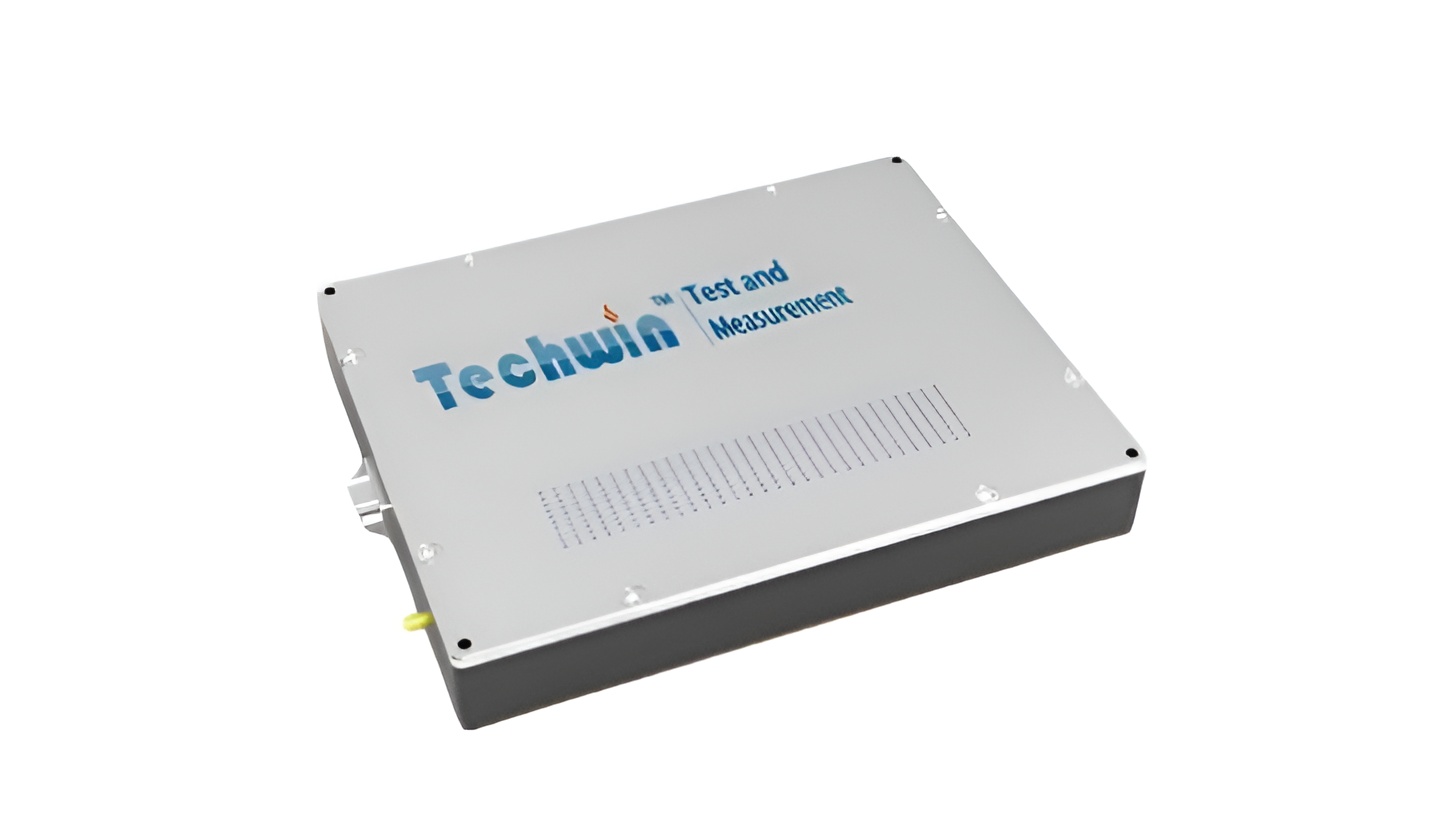
The Compact Single-Frequency Fiber Laser is a highly stable, narrow-linewidth laser source designed for precision optical systems, advanced measurement platforms, and high-end scientific setups. With excellent frequency stability, low noise, and a space-saving form factor, it provides reliable performance for sensing, metrology, coherent communication, LiDAR, and quantum and atomic physics applications.
Key Features
- Extremely narrow linewidth with outstanding wavelength stability
- Low relative intensity noise and high spectral purity for coherent applications
- High beam quality with single-mode output and long coherence length
- Compact, lightweight construction ideal for integrated and portable systems
- Fiber-based architecture providing long operating lifespan and low maintenance
Application Areas
- Optical sensing and precision metrology
- Coherent communication systems and advanced modulation formats
- LiDAR and 3D mapping for surveying and autonomous systems
- Interferometry, holography, and high-resolution optical measurements
- Atomic, molecular, quantum physics and biophotonics applications
Product Information
Compact Single-Frequency Fiber Laser
The Compact Single-Frequency Fiber Laser is a highly stable, narrow-linewidth laser source designed for precision optical systems, advanced measurement platforms, and high-end scientific setups. With excellent frequency stability, low noise, and a space-saving form factor, it provides reliable performance for sensing, metrology, coherent communication, LiDAR, and quantum and atomic physics applications.
Key features
Highlights- ✓Narrow linewidth output that minimizes spectral drift, making the laser suitable for high-precision measurement, interferometry, and coherent detection systems.
- ✓High frequency stability supported by architectures that reduce thermal drift and sensitivity to mechanical vibrations, enabling long-term spectral stability in challenging environments.
- ✓Low noise characteristics, with significantly reduced relative intensity noise compared to many bulk-laser technologies, which is essential for communication systems, sensing platforms, and coherent optics.
- ✓Excellent beam quality with pure single-mode output, improving coupling efficiency into fibers, waveguides, and precision optical components.
- ✓Long operating lifespan thanks to robust fiber-based construction, enabling dependable performance with minimal maintenance requirements.
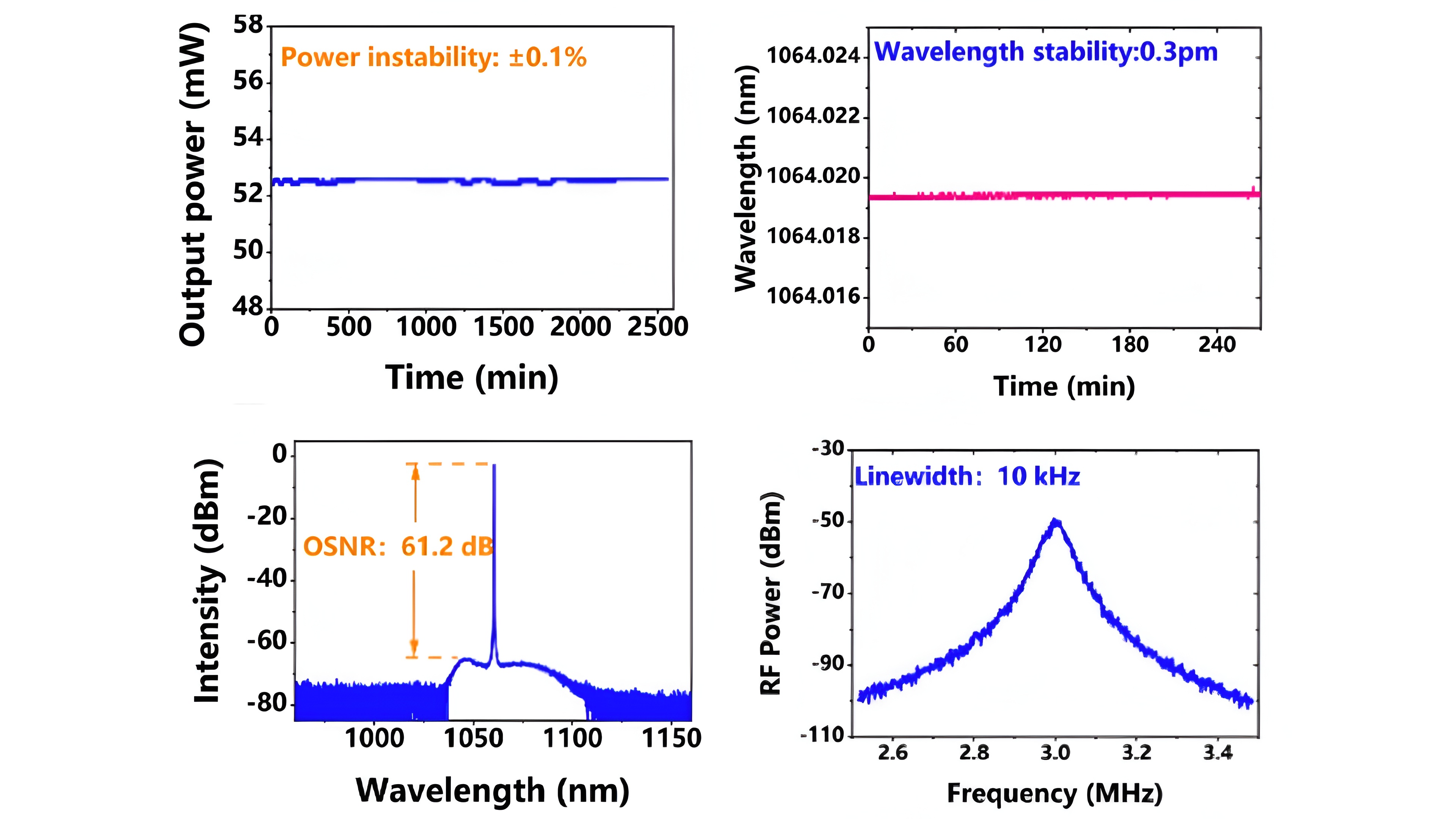
- ✓Very narrow spectral linewidth, typically at the kHz level, allowing precise detection and high-resolution measurement in demanding applications.
- ✓High side-mode suppression ratio (SMSR) that provides excellent spectral purity and reduces unwanted noise components.
- ✓Stable output power that supports accurate and repeatable operation in systems requiring continuous or long-duration use.
Applications
Use casesProduct Deep Dive
Discover the innovative engineering and superior performance that define our laser systems.
What Is a Compact Single-Frequency Fiber Laser?
A compact single-frequency fiber laser is a laser source that emits light at a single longitudinal mode, delivering a clean and highly coherent beam rather than multiple frequency components. Its primary characteristics include an extremely narrow linewidth, outstanding wavelength stability, minimal relative intensity noise, high beam purity, and long coherence length. These properties make compact single-frequency fiber lasers ideal for environments that require consistent accuracy, predictable spectral performance, and reliable long-term operation in a small footprint.
Key Advantages of Single-Frequency Fiber Laser Technology
- Narrow linewidth output that minimizes spectral drift, making the laser suitable for high-precision measurement, interferometry, and coherent detection systems.
- High frequency stability supported by architectures that reduce thermal drift and sensitivity to mechanical vibrations, enabling long-term spectral stability in challenging environments.
- Low noise characteristics, with significantly reduced relative intensity noise compared to many bulk-laser technologies, which is essential for communication systems, sensing platforms, and coherent optics.
- Excellent beam quality with pure single-mode output, improving coupling efficiency into fibers, waveguides, and precision optical components.
- Long operating lifespan thanks to robust fiber-based construction, enabling dependable performance with minimal maintenance requirements.
Application Areas of Compact Single-Frequency Fiber Lasers
Compact single-frequency fiber lasers have become a key technology across many industries due to their precision and stable output characteristics. In optical sensing and metrology, they support distributed acoustic sensing (DAS), fiber Bragg grating interrogation, strain and temperature monitoring, and high-accuracy measurement systems. Coherent communication systems depend on their high spectral purity and wavelength stability to improve signal quality in advanced modulation formats. For LiDAR and 3D mapping, a compact single-frequency laser provides the coherence and stability needed for surveying, autonomous navigation, and environmental monitoring modules. Interferometry and holography benefit from the narrow linewidth and long coherence length, enabling clear and stable interference patterns. In atomic, molecular, and quantum physics, these lasers provide well-controlled frequencies for quantum optics experiments and atomic transitions, while medical and biophotonics applications use their stable wavelength outputs for imaging, spectroscopy, and specialized illumination systems.
Working Principle of Single-Frequency Fiber Lasers
Single-frequency fiber lasers combine a doped fiber gain medium with single-mode guiding and frequency-selective elements to achieve stable single-longitudinal-mode operation. The fiber gain medium—often erbium, ytterbium, or other specialty dopants—amplifies a specific wavelength with low noise. Single-mode fiber design ensures that only the fundamental mode is supported, enabling superior beam quality. Frequency-selective components such as fiber Bragg gratings, interferometric filters, or distributed feedback structures define and stabilize the lasing wavelength. Active and passive stabilization techniques are used to reduce frequency drift from temperature changes and mechanical disturbances, while low-noise pump configurations further minimize intensity noise, resulting in a stable, repeatable and coherent optical output.
Performance Characteristics
- Very narrow spectral linewidth, typically at the kHz level, allowing precise detection and high-resolution measurement in demanding applications.
- High side-mode suppression ratio (SMSR) that provides excellent spectral purity and reduces unwanted noise components.
- Stable output power that supports accurate and repeatable operation in systems requiring continuous or long-duration use.
- Minimal thermal effects due to fiber-based construction, which helps avoid heat-induced instability and frequency drift.
- Long coherence length, making the laser ideal for interferometric, holographic, and coherent detection applications.
Why Choose a Compact Form Factor?
A compact form factor provides multiple practical advantages for users integrating single-frequency lasers into complex systems. Space-saving construction allows small modules or compact bench-top units to fit into existing architectures without requiring large enclosures or extensive mechanical redesign. Lightweight designs simplify transportation, on-site deployment, and integration into mobile or portable platforms. Reduced interconnect complexity means fewer discrete optical and electronic components are needed, improving overall system stability and lowering assembly effort. As a result, compact single-frequency laser units are well-suited for portable, field-deployed, and space-constrained devices that still demand high performance and reliability.
Integration Benefits for High-Power Fiber Laser Systems
Compact single-frequency fiber lasers often serve as seed sources or master oscillators for high-power fiber laser architectures. Their consistent frequency output and narrow linewidth significantly enhance the performance of amplified systems in master-oscillator power-amplifier (MOPA) configurations. Typical integration roles include acting as master oscillator seed sources, frequency references, sensing platform sources, coherent detection front ends, and cores for high-resolution spectral analysis setups. By providing a stable and well-defined optical carrier, the compact single-frequency laser helps ensure that downstream amplifiers and subsystems maintain high spectral quality and system-level stability.
Industry Use Cases Supported by This Technology
Compact single-frequency fiber lasers support a broad range of sector-specific applications. In telecommunication and data transfer systems, high-speed networks benefit from precise wavelength control and low noise for advanced modulation formats and dense channel spacing. Scientific research platforms use these lasers in spectroscopy, laser cooling, atomic trapping, and quantum optics work that requires well-defined optical frequencies. Defense and aerospace systems deploy them in precision-guided sensing, navigation support, free-space optical communication, and secure link architectures. In industrial inspection and test instruments, narrow-linewidth lasers enable advanced imaging, defect detection, and high-accuracy measurement tools.
Why Users Prefer Compact Single-Frequency Fiber Lasers
- Low noise and reliable frequency control that support demanding coherent and measurement applications.
- Simplified assembly and integration due to fiber-based construction and compact mechanical design.
- Long operational lifespan and high reliability under varying environmental conditions, reducing downtime and service requirements.
- Consistent long-term frequency output, enabling precise, repeatable results in sensitive optical and electronic systems.
- Practical form factor from Techwin’s fiber laser solutions developed in Hangzhou City, focusing on stable output, dependable construction, and long-term reliability for advanced optical platforms.
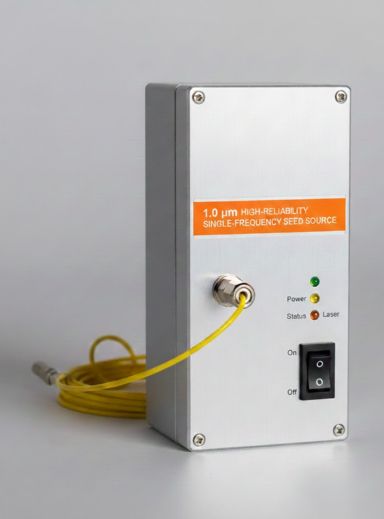
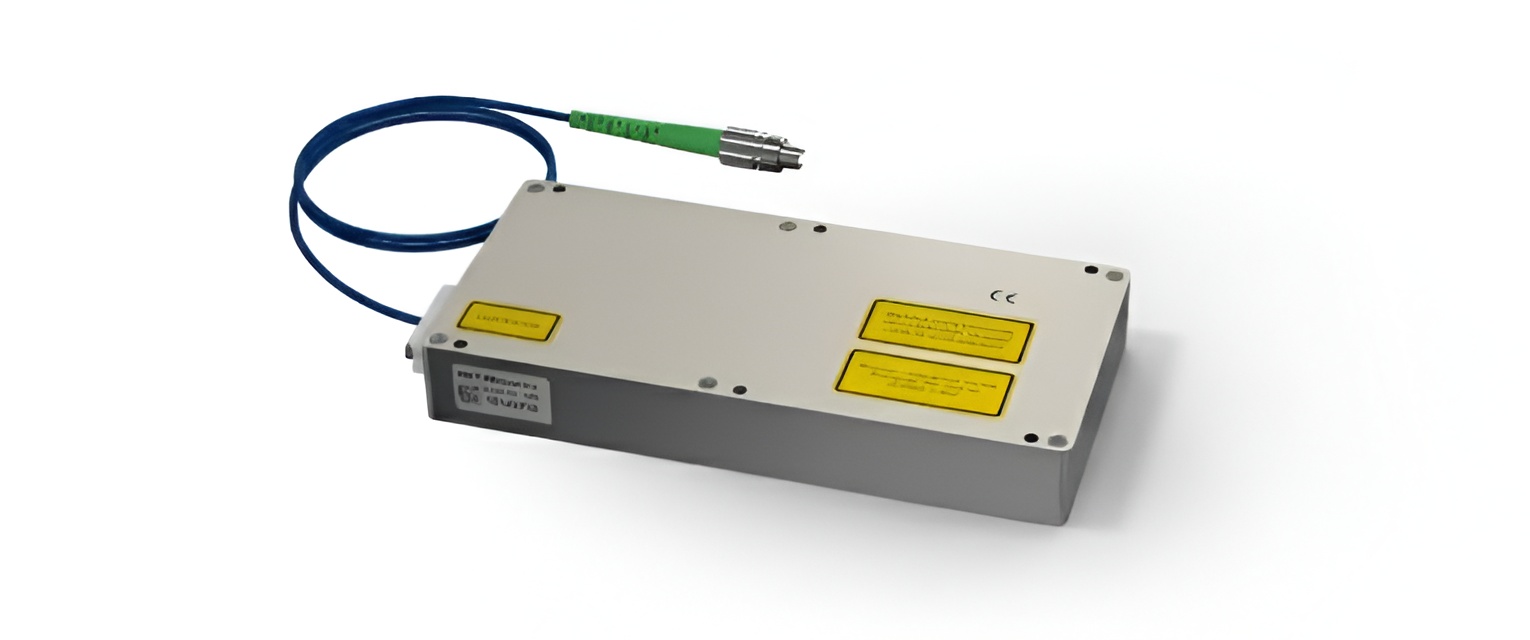
The Compact Single-Frequency Fiber Laser is a highly stable, narrow-linewidth laser source designed for precision optical systems, advanced measurement platforms, and high-end scientific setups. With excellent frequency stability, low noise, and a space-saving form factor, it provides reliable performance for sensing, metrology, coherent communication, LiDAR, and quantum and atomic physics applications.
You may also like
View all
Explore Our Full Product Catalog
From advanced fiber lasers to precision optics, browse our comprehensive range of solutions organized by category.
seed lasers
ase sources
fiber amplifiers
high power
single frequency
Request a Quote
For the Compact Single-Frequency Fiber Laser. Our experts are ready to assist.
What to Expect
- A detailed quote tailored to your needs.
- Expert consultation from our engineers.
- Full access to datasheets and performance data.