
Broadband Ultra-Low Noise Single-Frequency Fiber Laser
Broadband fiber laser series delivering ultra-low noise, wide spectral output, and high stability for spectroscopy, metrology, coherent detection, interferometry, and optical sensing.
Key Features
- Ultra-low noise performance
- Broadband tunable output
- Advanced multi-dimensional noise suppression
- Stable long-term operation
- Excellent environmental tolerance
Application Areas
- High-precision coherent detection
- Distributed fiber-optic sensing
- Precision interferometry
- Spectroscopy and metrology
- Remote sensing and industrial monitoring
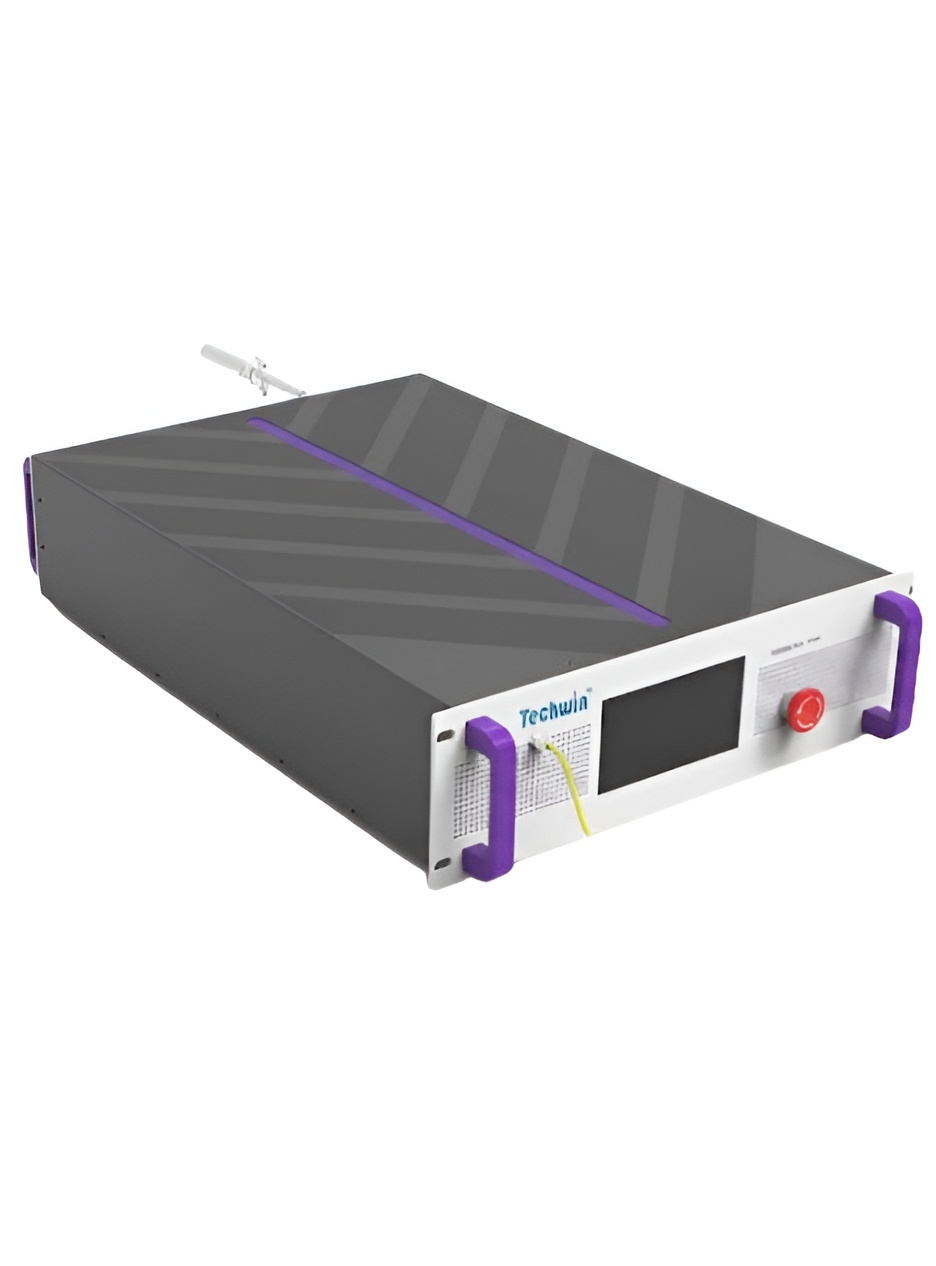
Product Information
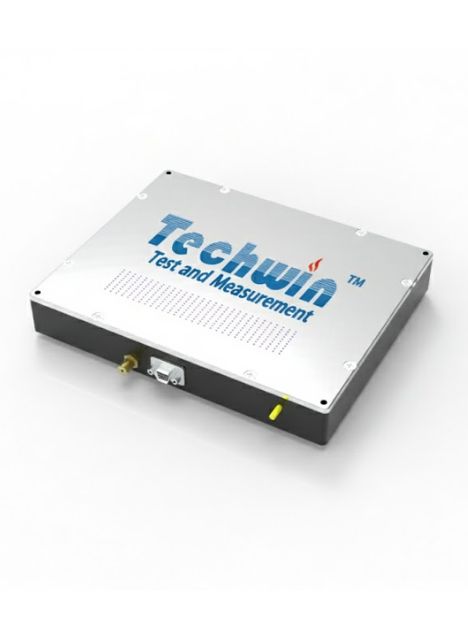
Broadband Ultra-Low Noise Single-Frequency Fiber Laser
Broadband fiber laser series delivering ultra-low noise, wide spectral output, and high stability for spectroscopy, metrology, coherent detection, interferometry, and optical sensing.
Key features
Highlights- ✓Minimizes amplitude fluctuations
- ✓Reduces frequency instability
- ✓Lowers phase noise
- ✓Prevents interference artifacts
- ✓Improves long-term measurement repeatability
- ✓Stable, wide spectral output
- ✓Very low phase and amplitude noise
- ✓Long operational life and low maintenance
Applications
Use casesProduct Deep Dive
Discover the innovative engineering and superior performance that define our laser systems.
Broadband Fiber Laser Ultra-Low Noise Laser Solutions
A broadband fiber laser is a vital tool for research groups and engineering teams requiring stable, coherent, and dependable laser sources. This ultra-low noise laser architecture supports precision spectroscopy, long-distance measurement, metrology, coherent detection, and advanced sensing. The dependable performance and high spectral purity make it a preferred solution for demanding industrial and scientific environments. The system is engineered to deliver reliable broadband output with minimal phase drift and extremely low relative intensity noise (RIN), ensuring stable spectral purity even during extended operation. These systems offer dependable performance across material analysis, environmental sensing, laboratory interferometry, and industrial metrology.
Broadband Fiber Laser Technology
A broadband fiber laser emits light across a wider spectral range while maintaining high output stability and minimal noise characteristics. Unlike traditional narrowband lasers, a broadband source maintains coherence and output uniformity across its entire spectral profile. Operational reliability is ensured using premium-grade fiber components, stable pump injection, active stabilization, optimized cavity design, and precision thermal control. These systems maintain stable spectral output even during temperature variation, vibration, or continuous use.
Importance of Ultra-Low Noise Performance
- Minimizes amplitude fluctuations
- Reduces frequency instability
- Lowers phase noise
- Prevents interference artifacts
- Improves long-term measurement repeatability
Applications of Broadband Ultra-Low Noise Laser Systems
Broadband fiber lasers support major scientific, industrial, and sensing environments. Common applications include: • Precision metrology and long-distance measurements • Optical spectroscopy and material characterisation • Coherent optical detection and remote systems • Distributed sensing (DAS / DTS / vibration / surveillance) • Structural monitoring and industrial integrity evaluation • Laboratory interferometry requiring stable optical path precision The high spectral consistency and extremely low RIN help reduce measurement drift and improve overall output clarity.
Broadband Architecture and Design Features
Broadband fiber lasers are engineered with advanced photonics subsystems that ensure reliable output and long operational life: • High stability fiber cavity with low-loss optical components • Optimized pumping structure ensuring uniform emission • Spectral control using optical filters and stabilizers • Thermal regulation and vibration-resistant construction • Advanced monitoring electronics with remote control The broadband emission maintains consistent output during modulation, continuous monitoring, and field deployment.
Key Advantages
- Stable, wide spectral output
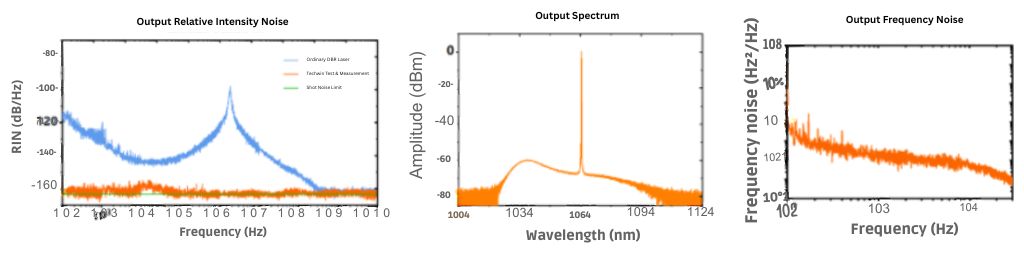
- Very low phase and amplitude noise
- Long operational life and low maintenance
- High efficiency and wavelength uniformity
- Easy system integration with compact structure
- Predictable long-duration performance
Comparison with Other Laser Types
Broadband fiber lasers differ from narrowband or standard diode lasers due to: • Higher output stability • Lower relative intensity noise • Greater temperature tolerance • Wider suitability for sensing and metrology Because spectral uniformity is stable at broadband output, these systems enable cleaner sensing signals and reduced long-term error accumulation.
Role in Distributed and Interferometric Sensing
A reliable optical sensing laser must support long-distance measurement systems. Broadband fiber lasers maintain accurate signals over kilometres of sensing fiber, making them ideal for: • Distributed Acoustic Sensing (DAS) • Distributed Temperature Sensing (DTS) • Structural health monitoring • Environmental detection • Industrial vibration analysis Reduced RIN and low frequency drift ensure accurate reading consistency and minimal calibration requirements.
Technical Specifications Overview
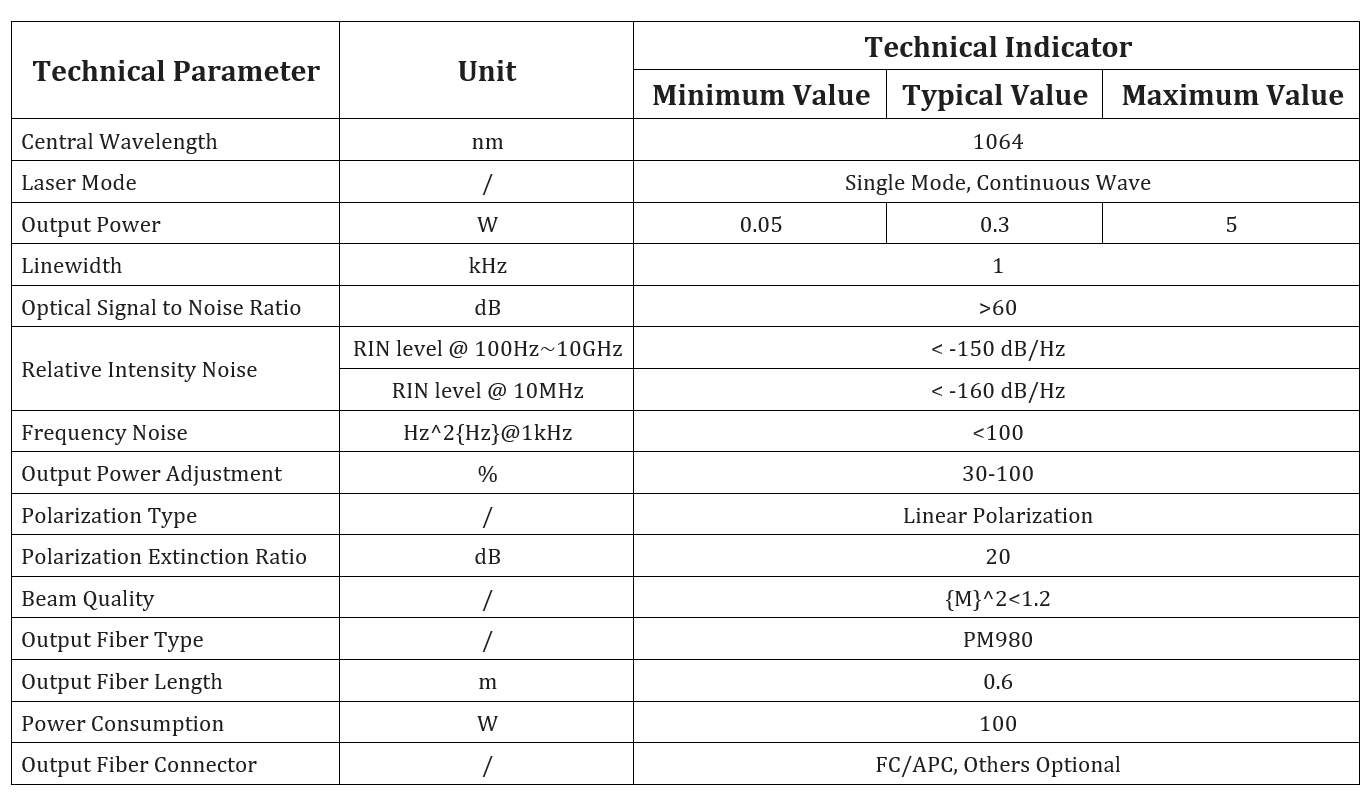
Model-specific variations exist; however, typical broadband laser characteristics include: • Wide emission range • Extremely low relative intensity noise (RIN) • Narrow intrinsic linewidth • Stable fiber-coupled configuration • Integrated thermal control • Remote monitoring and control interface These specifications ensure reliable operation for precision, sensing, and metrology platforms.
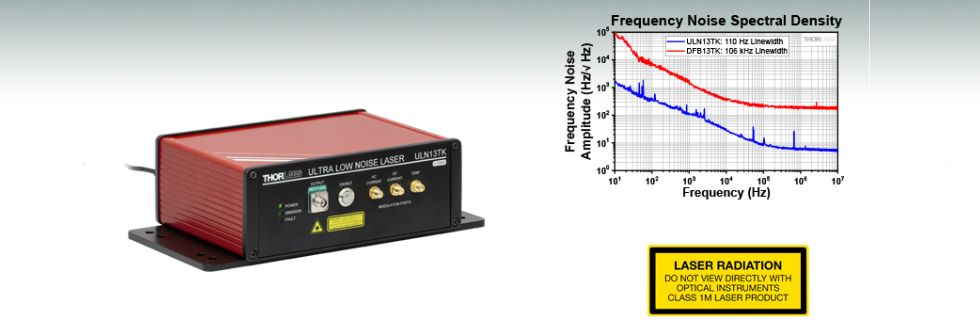
Broadband fiber laser series delivering ultra-low noise, wide spectral output, and high stability for spectroscopy, metrology, coherent detection, interferometry, and optical sensing.
You may also like
View all
Explore Our Full Product Catalog
From advanced fiber lasers to precision optics, browse our comprehensive range of solutions organized by category.
seed lasers
ase sources
fiber amplifiers
high power
single frequency
Request a Quote
For the Broadband Ultra-Low Noise Single-Frequency Fiber Laser. Our experts are ready to assist.
What to Expect
- A detailed quote tailored to your needs.
- Expert consultation from our engineers.
- Full access to datasheets and performance data.