
2.0μm High-Reliability Single-Frequency Fiber Laser
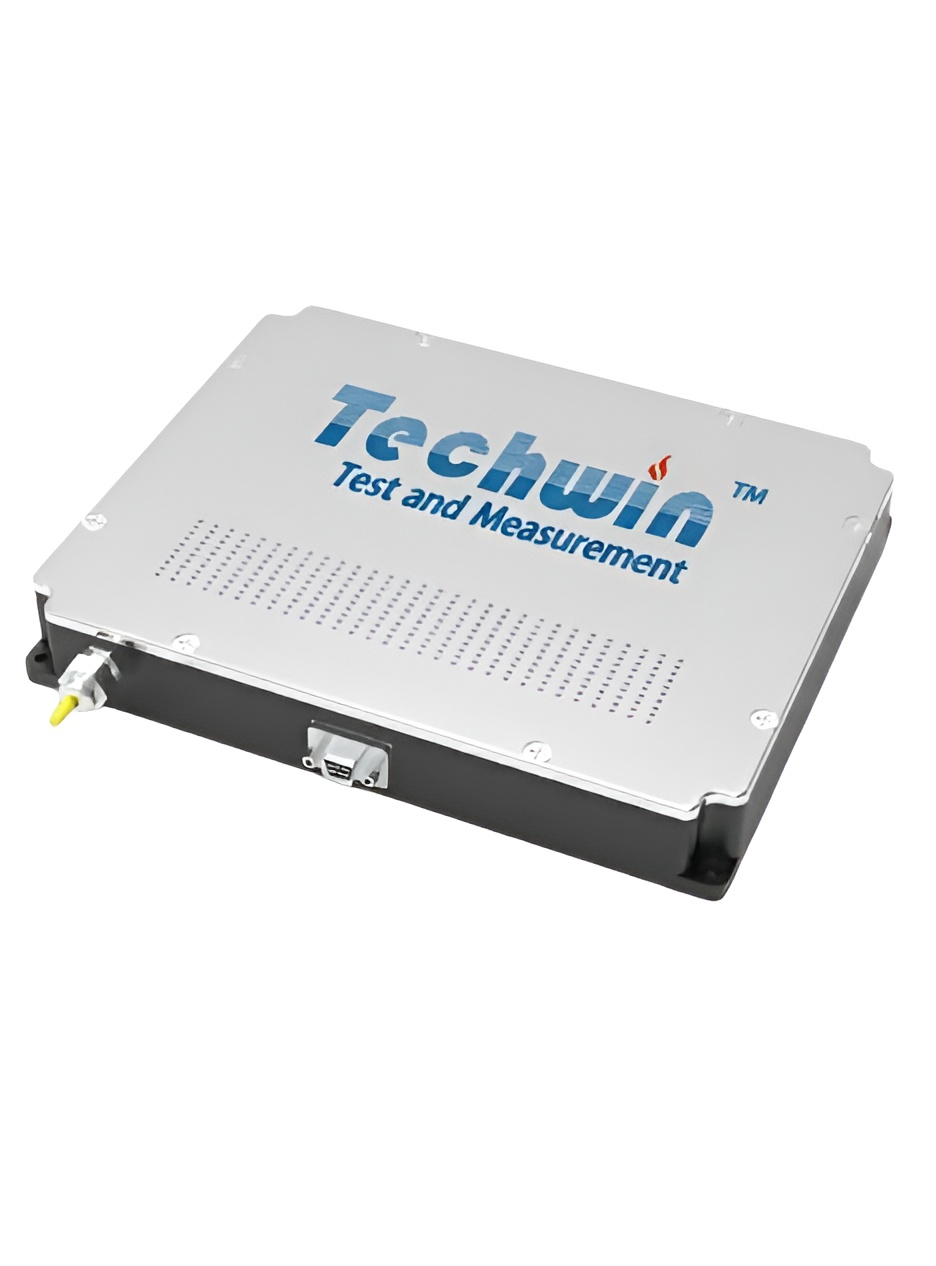
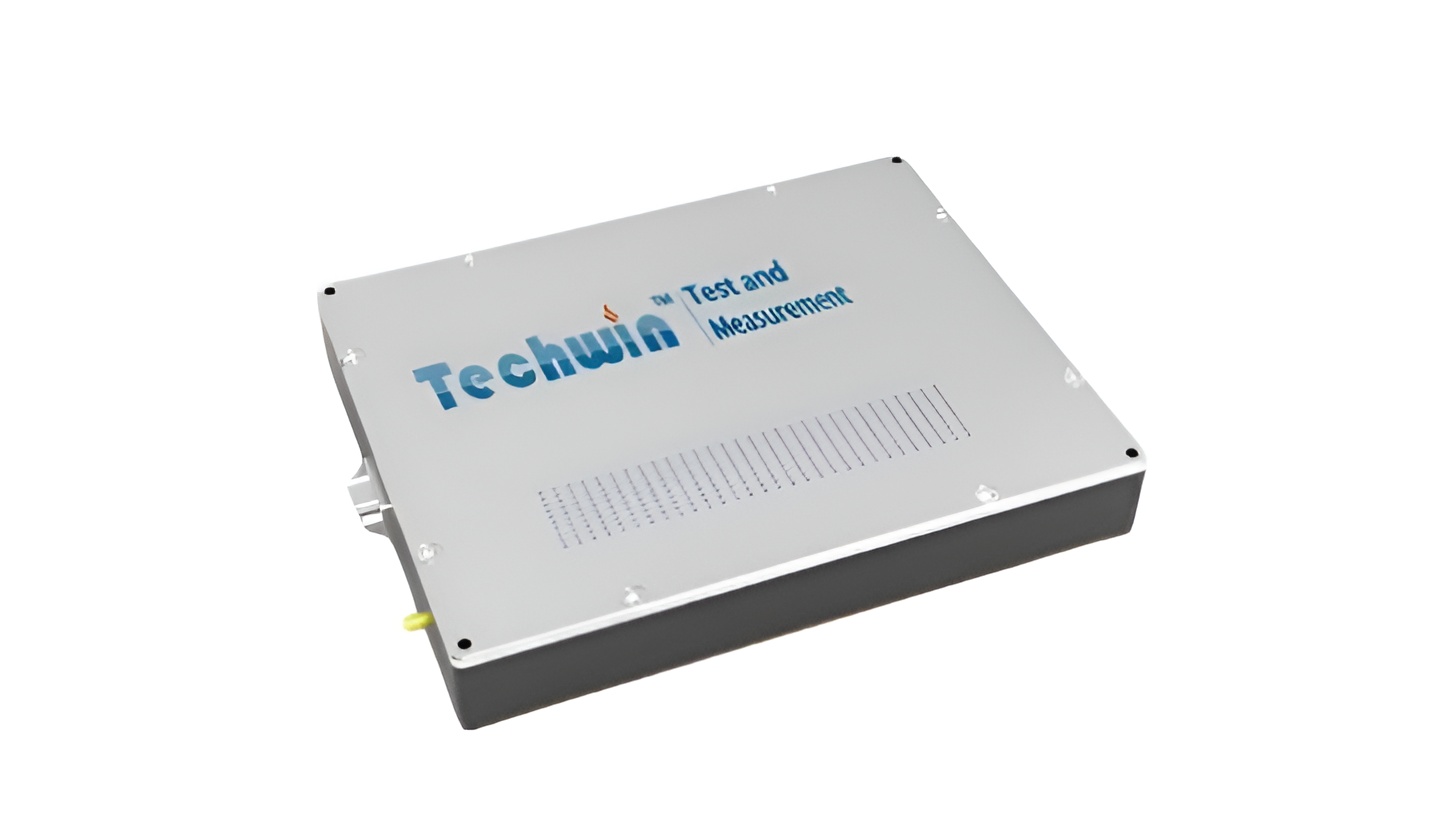
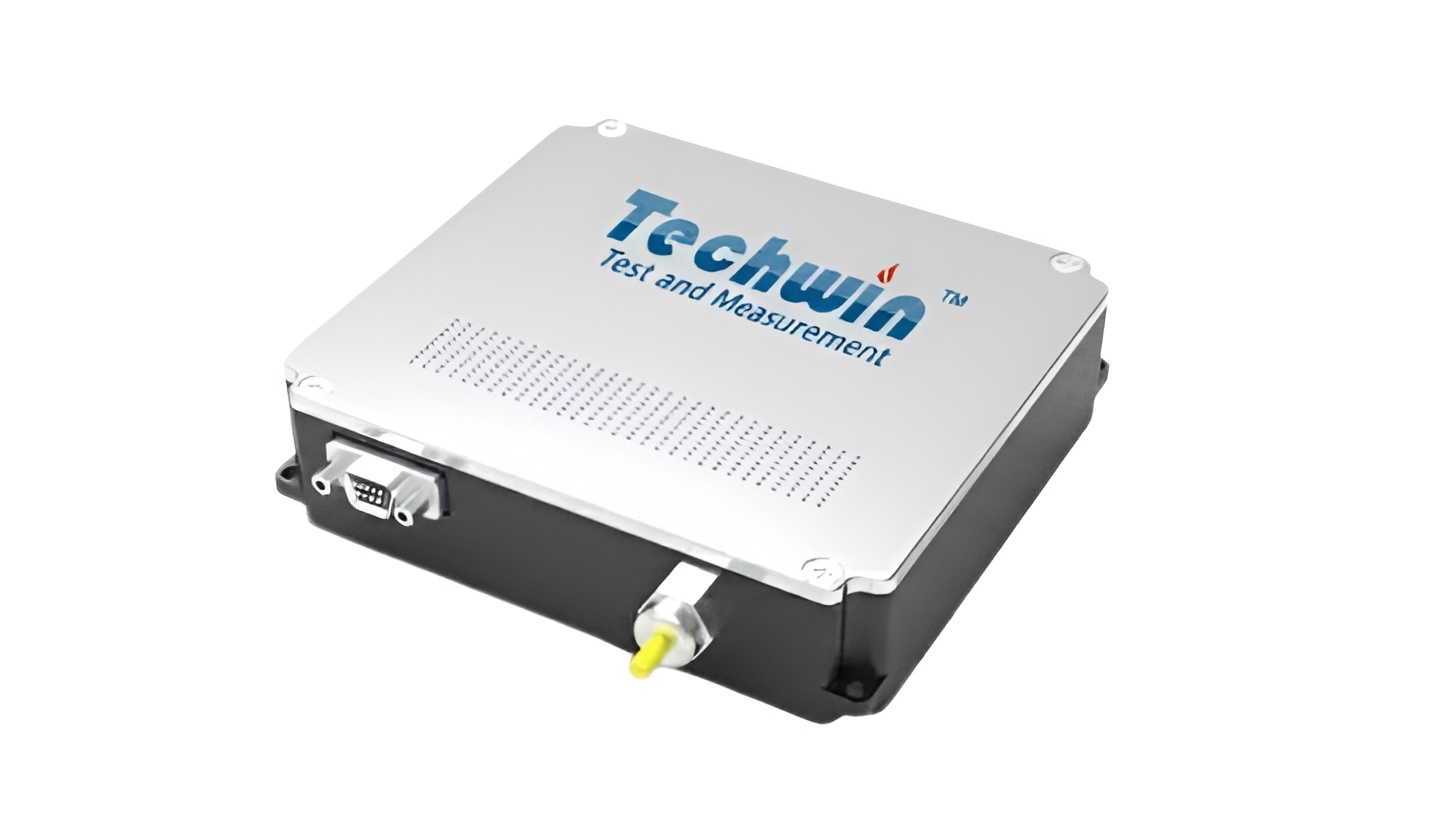
The 2.0μm High-Reliability Single-Frequency Fiber Laser is engineered for mid-infrared applications that require exceptional wavelength stability, long-term reliability, and ultra-low noise operation. With an advanced all-fiber architecture, narrow-linewidth performance, and strong spectral purity, it serves demanding research, industrial, and defense environments needing stable, coherent 2.0µm output.
Key Features
- Ultra-narrow linewidth single-frequency output optimized for mid-IR sensing and metrology
- Stable wavelength performance with minimized long-term drift for continuous operation
- Low phase and intensity noise suitable for coherent detection, nonlinear optics, and precision measurement
- All-fiber integration with robust packaging for vibration-resistant and field-deployable systems
- High reliability architecture designed for laboratory, industrial, and defense environments
Application Areas
- Atmosphere and gas sensing
- Medical and biomedical systems
- Optical pumping and nonlinear optics
- Precision measurement and metrology
- Industrial material processing and mid-IR interaction
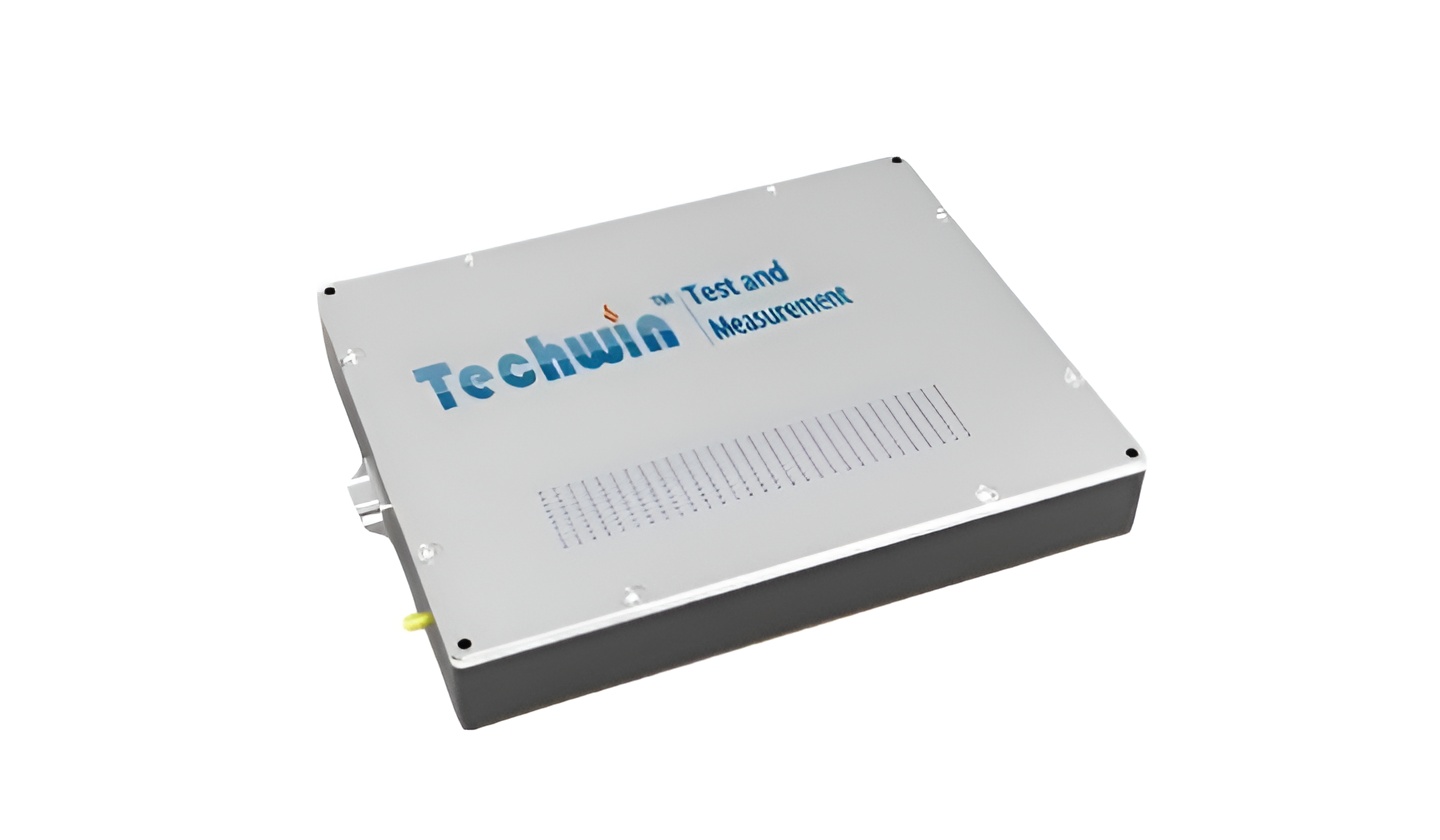
Product Information
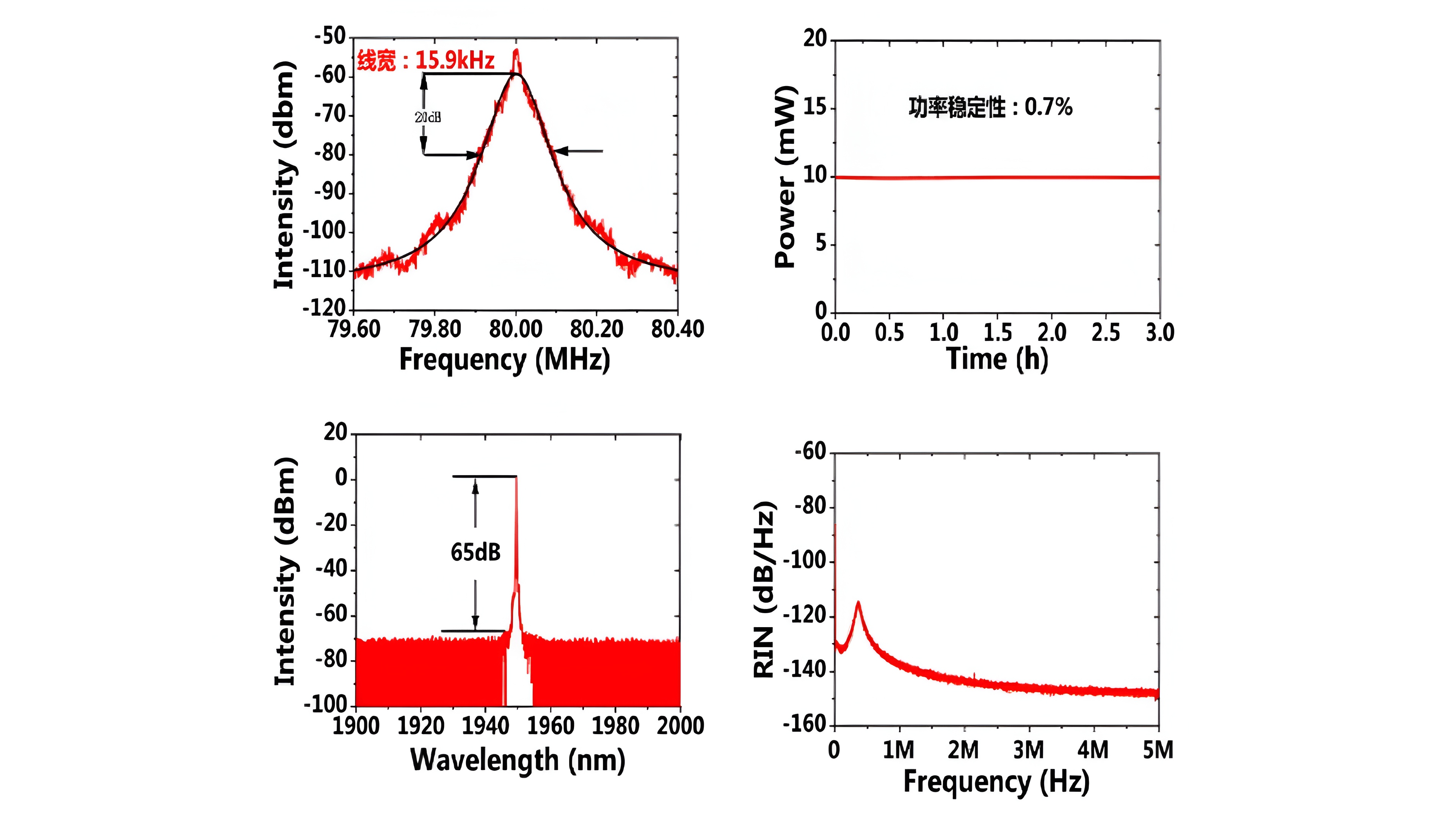
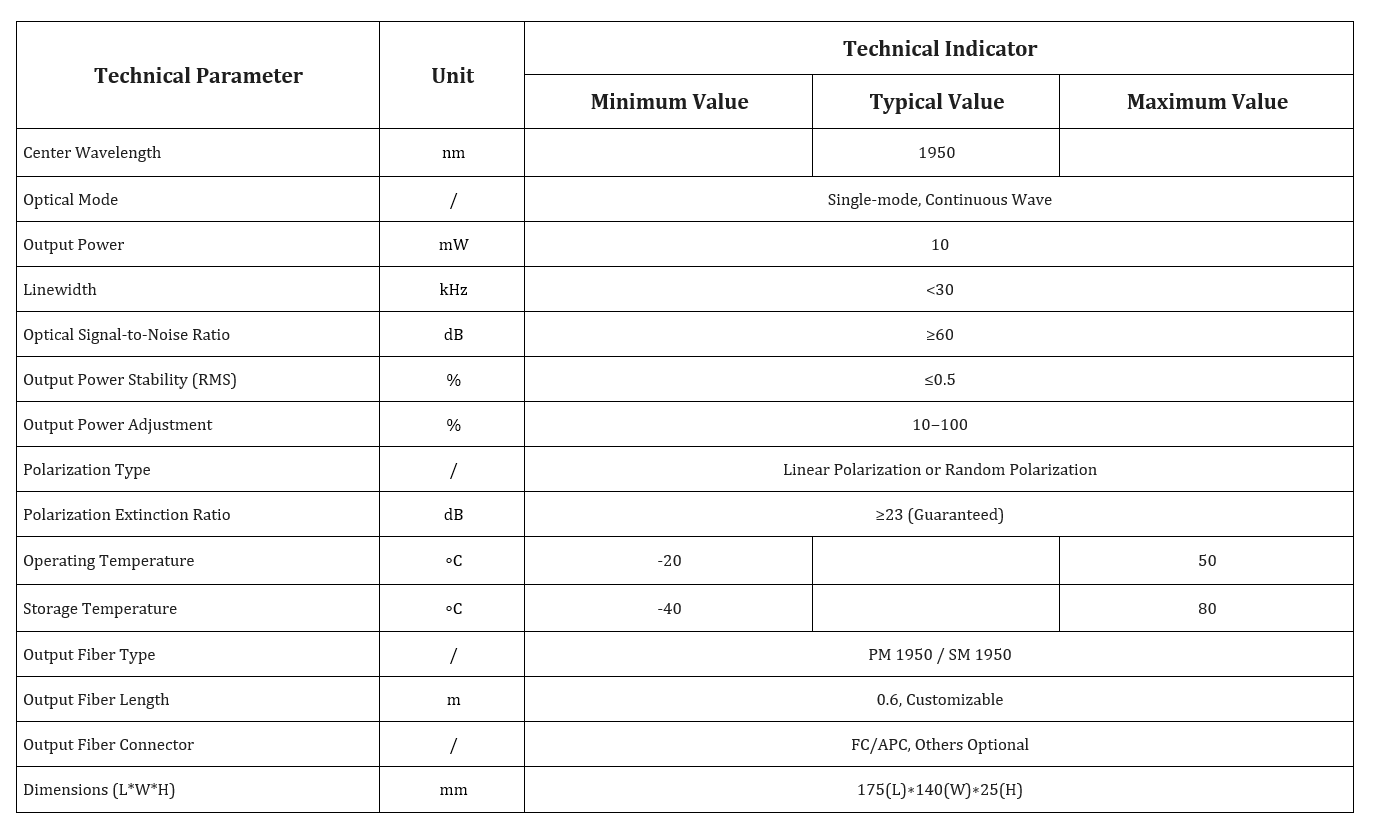
2.0μm High-Reliability Single-Frequency Fiber Laser
The 2.0μm High-Reliability Single-Frequency Fiber Laser is engineered for mid-infrared applications that require exceptional wavelength stability, long-term reliability, and ultra-low noise operation. With an advanced all-fiber architecture, narrow-linewidth performance, and strong spectral purity, it serves demanding research, industrial, and defense environments needing stable, coherent 2.0µm output.
Key features
Highlights- ✓Ultra-narrow linewidth output that supports superior frequency resolution, coherence, and sensitivity in mid-IR applications such as gas detection and precision metrology.
- ✓Stable wavelength performance achieved through thermal and electronic stabilization systems that minimize long-term drift during continuous or extended operation.
- ✓Low phase and intensity noise enabled by optimized electronic drive circuitry and fiber design, providing a clean optical waveform for harmonic generation, optical sensing, and coherent detection.
- ✓All-fiber integration that improves resistance to environmental changes, mechanical vibration, and shock, while enabling a compact, low-maintenance system footprint.
- ✓Precision wavelength stability that supports demanding mid-IR sensing, metrology, and analytical tasks.
- ✓Long operating life with architecture optimized for continuous use and minimal performance degradation.
- ✓Compact integrated design that reduces alignment complexity and simplifies system integration.
- ✓Clean spectral output with narrow linewidth and low noise, ideal for coherent and frequency-sensitive applications.
Applications
Use casesProduct Deep Dive
Discover the innovative engineering and superior performance that define our laser systems.
Overview of 2.0μm Single-Frequency Laser Technology
The mid-infrared 2.0μm wavelength range is recognized for its strong absorption characteristics, making it highly suitable for atmosphere and gas sensing, analytical instrumentation, and medical applications. A single-frequency architecture at this wavelength delivers a clean, coherent signal with minimal phase noise and precise frequency accuracy. The 2.0μm High-Reliability Single-Frequency Fiber Laser integrates advanced fiber components and optimized optical pathways to minimize thermal drift, reduce linewidth broadening, and maintain long-term optical stability under demanding operating conditions. Key engineering elements include polarization-maintaining fiber layouts, low-noise seed generation, precision wavelength stabilization, and a fully packaged, vibration-resistant design that supports both laboratory and field deployment.
Core Performance Features
- Ultra-narrow linewidth output that supports superior frequency resolution, coherence, and sensitivity in mid-IR applications such as gas detection and precision metrology.
- Stable wavelength performance achieved through thermal and electronic stabilization systems that minimize long-term drift during continuous or extended operation.
- Low phase and intensity noise enabled by optimized electronic drive circuitry and fiber design, providing a clean optical waveform for harmonic generation, optical sensing, and coherent detection.
- All-fiber integration that improves resistance to environmental changes, mechanical vibration, and shock, while enabling a compact, low-maintenance system footprint.
Technical Benefits for Industrial & Scientific Applications
The 2.0μm High-Reliability Single-Frequency Fiber Laser delivers a set of technical benefits tailored to industrial and scientific users. In atmosphere and gas sensing, the 2.0µm spectrum covers strong absorption lines for many gases, enabling high-precision environmental monitoring, greenhouse gas analysis, and LIDAR-based detection with stable single-frequency output. Medical and biomedical applications benefit from favorable tissue interaction at this wavelength, supporting diagnostic systems, therapeutic platforms, and research imaging tools. For optical pumping and nonlinear optics, the narrow-linewidth and stable frequency make this source ideal for pumping mid-infrared optical parametric oscillators, building frequency-comb systems, or seeding advanced photonic architectures. In precision measurement and metrology, users can rely on the stable, narrow spectrum for accurate frequency references and high-resolution interferometric setups. Industrial material processing applications can integrate the laser for specialty marking, micro-processing, and controlled mid-IR interaction with advanced materials.
Design Architecture and System Reliability
The system is built around a robust all-fiber architecture assembled under strict alignment and packaging standards to ensure consistent performance over its operating lifetime. Hermetically managed fiber pathways, strong optical isolation from back-reflections, rugged mechanical housing, and intelligent thermal control all contribute to high reliability. Active monitoring of operational parameters further enhances stability and safety. Produced in Hangzhou City using established precision optical engineering practices, the 2.0μm High-Reliability Single-Frequency Fiber Laser is designed to provide safe operation, predictable behavior, and stable output for users working in laboratories, industrial facilities, and mobile or field platforms.
Why Choose the 2.0μm High-Reliability Single-Frequency Series
- Precision wavelength stability that supports demanding mid-IR sensing, metrology, and analytical tasks.
- Long operating life with architecture optimized for continuous use and minimal performance degradation.
- Compact integrated design that reduces alignment complexity and simplifies system integration.
- Clean spectral output with narrow linewidth and low noise, ideal for coherent and frequency-sensitive applications.
- Fiber-based construction that lowers environmental sensitivity compared to traditional bulk-laser solutions.
Applications in Defense and Aerospace
In defense and aerospace sectors, the 2.0μm High-Reliability Single-Frequency Fiber Laser supports a wide range of mission-critical tasks. Typical applications include remote sensing platforms, directional infrared countermeasures (DIRCM), rangefinding subsystems, and coherent LIDAR for precision targeting and tracking. The clean spectral output, narrow linewidth, and stable power enable these systems to operate accurately and reliably under challenging environmental and operational conditions, making the laser an attractive source for advanced airborne, spaceborne, and ground-based systems.
Integration into Existing Optical Platforms
The system is designed with integrators and system designers in mind. Standardized optical connectors, a simple electrical interface, and a compact enclosure make it straightforward to build into both modular instruments and fully custom platforms. Stable performance across a wide range of environmental conditions allows the laser to be used in research laboratories, OEM products, environmental monitoring stations, and industrial measurement setups. This compatibility and flexibility help reduce development effort and accelerate system deployment.
Comparison with Conventional Laser Solutions
Compared to conventional bulk-crystal, semiconductor, or gas-based lasers operating near the 2.0µm region, the fiber-based 2.0μm High-Reliability Single-Frequency series offers improved wavelength reliability, lower operational noise, and enhanced thermal stability. The all-fiber design supports longer component lifetimes and significantly reduces ongoing alignment maintenance. For long-term projects where stable mid-IR performance is essential, this approach provides users with a dependable, low-maintenance alternative to traditional laser technologies.
Manufacturing and Quality Assurance
Each laser in this category is manufactured using controlled, standardized processes and undergoes a comprehensive quality assurance workflow. Optical pathways are calibrated and verified, frequency stability is measured, thermal performance is analyzed, and output beam quality is inspected. Extended operation tests are performed to confirm reliability under realistic load conditions. Techwin, based in Hangzhou City, implements strict testing protocols throughout its engineering and production processes to ensure that each 2.0μm High-Reliability Single-Frequency Fiber Laser meets demanding operational and quality expectations.
Support and Customization Options
Users with specific wavelength, power, or spectral requirements can request customized configurations tailored to their applications. Support services include application matching, performance configuration, integration guidance, technical documentation, and long-term operational assistance. Each unit is evaluated for compatibility with the intended environment and optical system design. With access to advanced optical manufacturing capabilities and experienced engineering teams in Hangzhou City, Techwin provides a dependable mid-infrared solution for scientific, industrial, environmental, and defense applications that require narrow linewidth, strong frequency stability, and reliable long-term operation.
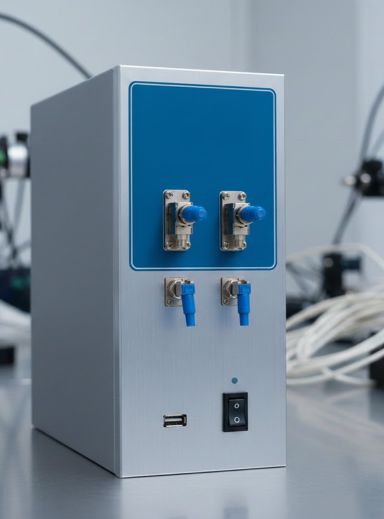
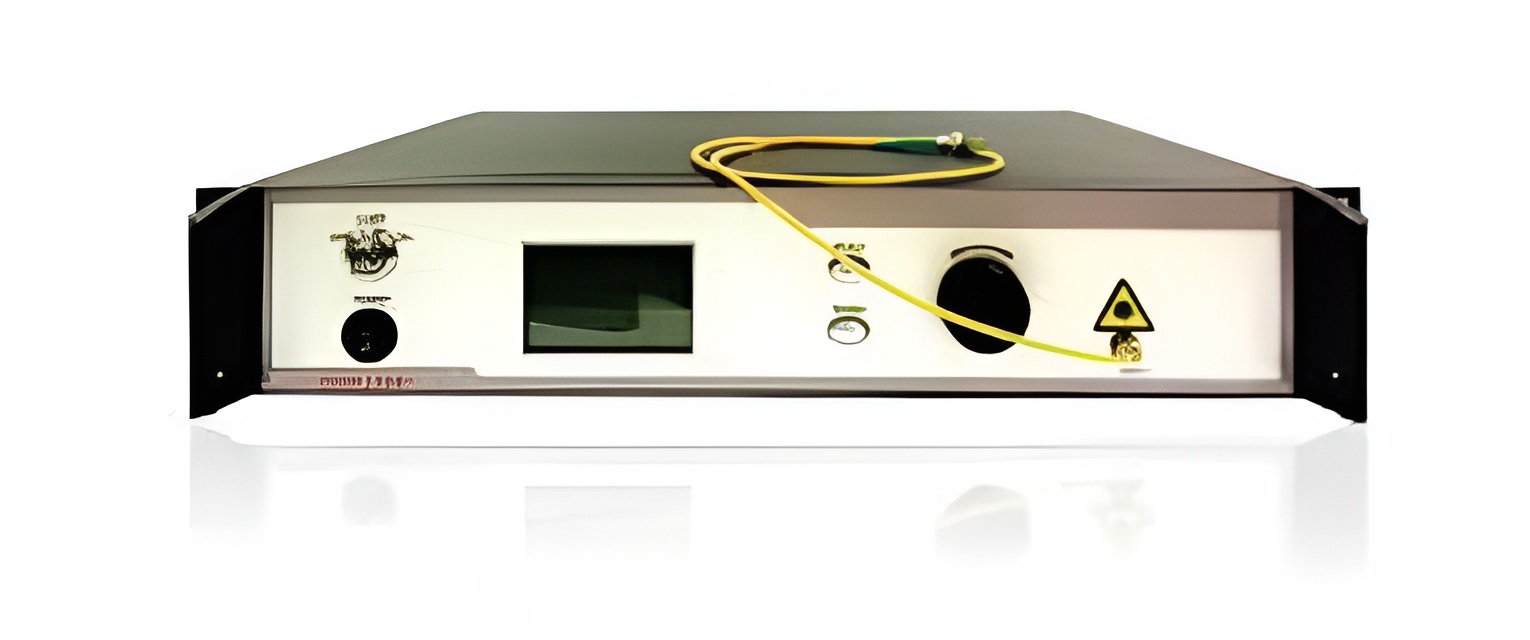
The 2.0μm High-Reliability Single-Frequency Fiber Laser is engineered for mid-infrared applications that require exceptional wavelength stability, long-term reliability, and ultra-low noise operation. With an advanced all-fiber architecture, narrow-linewidth performance, and strong spectral purity, it serves demanding research, industrial, and defense environments needing stable, coherent 2.0µm output.
You may also like
View all
Explore Our Full Product Catalog
From advanced fiber lasers to precision optics, browse our comprehensive range of solutions organized by category.
seed lasers
ase sources
fiber amplifiers
high power
single frequency
Request a Quote
For the 2.0μm High-Reliability Single-Frequency Fiber Laser. Our experts are ready to assist.
What to Expect
- A detailed quote tailored to your needs.
- Expert consultation from our engineers.
- Full access to datasheets and performance data.